Understanding Denim Fit Basics
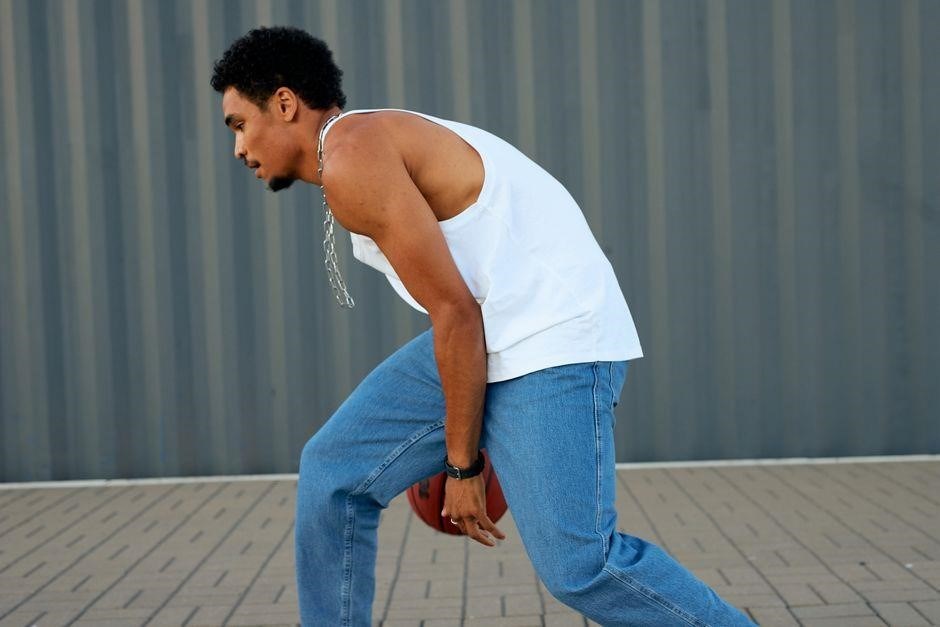
Denim fit starts with the rise, waist, and leg shape. A high rise sits above the belly, mid‑rise balances comfort, low‑rise hugs the hips. Slim cuts taper to the ankle, straight keep a uniform width, relaxed offer room, and tapered blend both. Choose based on body and style. Fit guides help match silhouette to lifestyle. Now.

Key Body Measurements for Men’s Jeans
Finding the right pair of jeans begins with precise measurements that reflect your body’s natural shape. The most critical dimensions are the waist, hips, inseam, thigh, and calf. Each of these plays a distinct role in how a pair will sit and move.
- Waist: Measure around the narrowest part of your torso, just above the belly button. This is the primary indicator for the waistband size.
- Hips: Wrap the tape around the fullest part of your hips, typically 9–10 inches below the waist. Hips determine the flare and overall fit at the bottom.
- Inseam: From the crotch seam to the bottom of the ankle, the inseam dictates the length. It’s essential for ensuring the jeans fall at the right spot, whether you prefer a cropped look or full coverage.
- Thigh: Measure the widest part of the thigh. This measurement helps gauge whether a slim, straight, or relaxed cut will accommodate your leg shape comfortably.
- Calf: Wrap the tape around the calf’s narrowest point. Calf size informs the tapering of the leg and whether a tapered or straight cut will feel snug or loose.
When you record each dimension, round to the nearest half inch for consistency. Having a reliable set of measurements allows you to compare brand charts confidently and avoid the common pitfalls of ill-fitting denim.
Remember, denim is as much about fit as it is about confidence. Once you have your numbers, test a few styles in-store or online, and adjust as needed. A pair can transform look!!
Rise: High, Mid, and Low Options
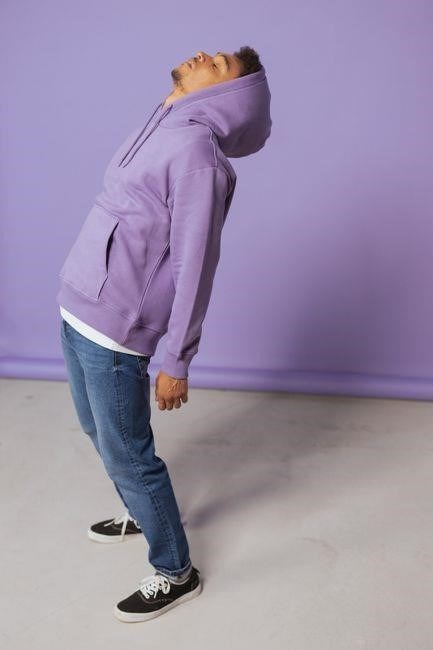
Choosing the right rise is the first step toward a flattering silhouette. A high‑rise jean sits above the belly button, offering a vintage vibe and extra support for those with a higher waistline. Mid‑rise, the most common choice, lands around the natural waist and balances comfort with style. Low‑rise jeans sit just below the hips, creating a modern, relaxed look that pairs well with cropped tops or tucked‑in shirts.
High‑rise cuts are ideal for taller frames or those who prefer a more structured look. They elongate the legs and can hide a protruding midsection. Mid‑rise jeans provide versatility, fitting most body types without feeling too tight or too loose. Low‑rise styles are best for shorter men or those who enjoy a casual, street‑style aesthetic. However, low‑rise can be less forgiving for larger waists, so careful measurement is key.
When selecting a rise, consider your height, torso length, and personal style. Taller individuals often benefit from a higher rise to maintain proportion, while shorter men may find a mid‑or low‑rise more flattering. Additionally, the rise influences how the jeans sit around the hips and thighs—high rises tend to cinch, mid‑rises offer a balanced fit, and low rises provide a relaxed feel.
Try on multiple rises in the same style to gauge comfort and appearance. Pay attention to how the waistband sits on your natural waist and whether the jeans fall cleanly at the ankle. A well‑chosen rise not only enhances your shape but also boosts confidence in any setting—from casual outings to semi‑formal events.
Choose a rise that feels comfortable and flatters your shape!
Waist Size and Inseam Length Considerations
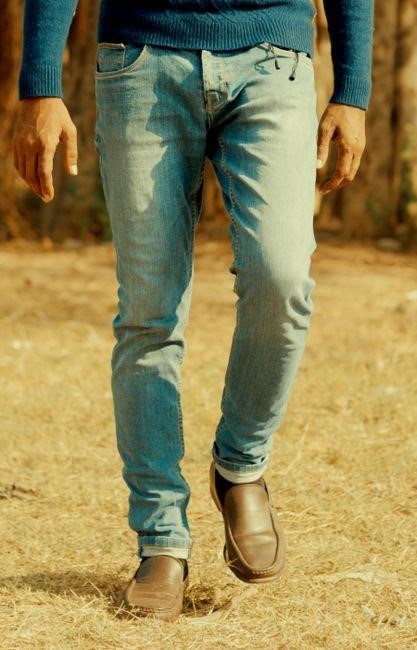
Finding the correct waist and inseam is essential for a polished look. Measure your natural waist with a flexible tape, keeping it snug but not tight. Inseam length should match the distance from the crotch seam to the hem, ensuring the hem sits just above the shoe’s heel. For short men (under 5’8”) 30–32 inches works well, while average height (5’8”–6’) 32–34 inches is ideal. Taller men (over 6’) often need 34–36 inches. Many brands offer “tall” or “short” ranges, but the most reliable method is to try on a pair in your waist size and adjust the inseam by adding or removing a hem if needed. A well‑fitted pair will sit comfortably without pulling or sagging. If the inseam is too short, the hem will drag, causing discomfort; if it’s too long, the jeans may bunch around the calves. Adjusting the waist and inseam can be done at a tailor for a precise fit. Regularly checking the fit can prevent common issues like bunching or dragging. Proper fit also reduces strain on the hips and lower back, ensuring the jeans look proportionate and feel comfortable throughout the day. A well‑fitted pair will sit comfortably without pulling or sagging, and the inseam should reflect your exact height for a polished look.

Fit Styles: Slim, Straight, Relaxed, and Tapered
Denim cut is the first decision that shapes the overall silhouette. Slim cuts are engineered to hug the leg from the waist down to the ankle, creating a sleek, modern line that emphasizes a lean physique. They are ideal for tall, slim men who want a tailored look, but the close fit can feel constricting for those with broader hips or a thicker thigh area. Straight cuts maintain a uniform width throughout the leg, offering a timeless, versatile shape that works with almost any body type. This cut is forgiving, providing room in the thigh and calf while still presenting a clean profile that can transition from casual to semi‑formal settings. Tapered cuts blend the relaxed waist with a gradual narrowing toward the ankle, striking a balance between a relaxed fit and a streamlined finish. The taper offers a contemporary silhouette that flatters a variety of body shapes, especially for those who want a modern look without the tightness of a full slim. Each style interacts with rise, fabric stretch, and personal preference. For instance, a high‑rise slim can accentuate a narrow waist, while a low‑rise relaxed provides a laid‑back feel. When choosing, consider your body proportions, daily activities, and the occasions you’ll wear the jeans. Trying on multiple cuts and evaluating how each feels in motion will help you pinpoint the perfect fit that delivers both style and comfort for everyday life. In addition, the fabric’s stretch content can alter the perceived fit; a 2–4% elastane blend offers flexibility for wear, whereas 0% stretch provides a crisp, structured feel. Pairing the right cut with the appropriate rise ensures longevity and confidence in every stride!!!
Fabric Composition and Stretch Content
Denim’s core is cotton, but modern cuts often blend polyester, nylon, or elastane to add durability, resilience, and stretch. A 100 % cotton weave delivers breathability, yet it can shrink and lose shape after washing; Adding 2–4 % elastane gives a “stretch‑in‑the‑right‑place” effect that keeps the cut true while allowing freedom of movement. Polyester or nylon fibers increase abrasion resistance, making the fabric more suitable for rugged use or for those who prefer a lighter weight. A typical mid‑weight jean might contain 98 % cotton and 2 % polyester, striking a balance between softness and strength. High‑weight denim, often 12–14 oz, may incorporate a 1–2 % elastane for a snug fit without compromising heft. The blend also affects how the fabric reacts to washing: cotton‑heavy blends tend to fade more slowly, whereas polyester‑rich cuts hold color better after repeated washes. When shopping, look for labels that specify “stretch” or “spandex” and read the percentage to gauge how much give the jeans will have. A 0 % stretch jean will hold its shape but may feel rigid, while a 3–5 % stretch jean offers a more forgiving fit that adapts to the wearer’s movements. The choice of composition ultimately depends on the intended use—workwear, casual wear, or fashion—alongside personal comfort preferences. Understanding these details helps you match the right fabric to the right fit, ensuring durability, style, and a comfortable daily experience. Weight is measured in ounces per square yard; lighter denim (8–10 oz) is breathable and ideal for warm climates, while heavier denim (12–14 oz) offers sturdiness. Stretch content also interacts with weight: a light‑weight jean with 3 % elastane feels airy yet flexible, whereas a heavy‑weight jean with 1 % stretch maintains a firm structure but still moves comfortably. The fabric’s finish—raw, selvedge, or dyed—also influences texture and longevity. Selvedge denim, for example, is woven on a traditional shuttle loom, producing a tighter edge that resists fraying. Raw denim is unwashed, allowing the wearer to develop a unique fade pattern over time. Dyed denim is pre‑washed, giving a consistent look from the first wear. Each finish interacts with the fabric blend; raw, high‑weight denim with a small stretch percentage will hold its shape but may feel stiff until broken in. Conversely, a pre‑washed, mid‑weight jean with 2 % elastane will feel supple right away. Additionally, the presence of a small amount of elastane can make a difference in how the jeans feel during long periods of sitting or standing. Care instructions also reflect composition: cotton‑heavy jeans should be washed in cold water to prevent shrinkage, while polyester‑rich blends can tolerate higher temperatures. Proper drying—air‑drying or low‑heat tumble—helps preserve the cut and color. By evaluating weight, stretch, finish, and care, you can choose a denim that not only fits your style but also endures the demands of everyday life.

Wash Types and Their Styling Impact
Denim washes are more than aesthetics; they dictate silhouette, texture, and versatility. Raw or unwashed denim preserves the original indigo hue and offers a stiff, structured feel that ages into a personalized fade pattern. Selvedge denim, woven on a shuttle loom, presents a clean edge and a subtle sheen, making it a favorite for both classic and contemporary looks. The classic indigo wash—deep blue with a slight sheen—provides a timeless base that pairs seamlessly with casual tees or crisp button‑downs. Light washes, ranging from pale blue to almost white, create a relaxed, airy vibe suitable for summer or layered outfits. Dark washes, such as black or charcoal, add a touch of sophistication, allowing the jeans to transition from day to evening with minimal effort. Acid washes, characterized by bright, neon accents, deliver a bold, retro statement that works best in streetwear or festival settings. Stone‑washed denim undergoes a mechanical abrasion process that softens the fabric and introduces a subtle mottled texture; it offers a laid‑back, vintage feel while maintaining structural integrity. Distressed or ripped finishes add intentional wear marks that convey an edgy, rebellious edge, ideal for casual or urban ensembles. Each wash type also influences the fabric’s weight and stretch retention; raw denim tends to shrink more, whereas pre‑washed or stone‑washed jeans hold shape better. When styling, consider the wash’s tonal depth: lighter washes brighten the overall look, while darker washes add gravity and formality. Pairing a light wash with a crisp shirt and sneakers creates a breezy, effortless look, whereas a dark wash with a blazer and loafers elevates the outfit for semi‑formal occasions. The wash can also dictate the level of maintenance: raw denim requires careful hand washing to preserve its integrity, whereas pre‑washed or stone‑washed variants can tolerate machine cycles; Ultimately, selecting the right wash hinges on the desired aesthetic, lifestyle, and the level of care you’re willing to invest. Choosing the wash is a deliberate act that balances personal expression with practical upkeep, ensuring each pair of jeans remains a reliable companion across seasons. Withwash, denim becomes a canvas that reflects your journey, adapting to each chapter.

Brand-Specific Sizing Variations
Brands differ in sizing: some run small, others large. Levi’s often true to size; Wrangler may be a half‑size larger. Premium lines like AG Jeans offer a slimmer cut, while budget brands like H&M lean wider. Check brand charts and try on before buying. Sizing charts vary; measure waist and inseam exactly to avoid surprises;
Measuring Your Waist Accurately
Start by selecting a flexible measuring tape. Stand upright, breathe normally, and locate the natural waist—just above the belly button, below the rib cage. Wrap the tape snugly but not tight, ensuring it lies flat against the skin. Record the measurement in inches, rounding up to the nearest half inch if the tape lands between marks. For consistency, measure twice and average the results. If you’re trying on jeans that have a mid‑rise, use the same spot; for high‑rise styles, measure slightly higher, near the top of the hip bone. Remember that some brands add a small “fit factor” to accommodate stretch or design, so compare your measurement to the brand’s size chart. Finally, keep a log of your waist and inseam pairings to streamline future purchases.
When measuring, avoid wrapping the tape over clothing; use a plain shirt or shorts. If you have a waist that curves, place the tape slightly lower on the left side to capture the true circumference. Some men prefer to measure at the waistline of their preferred jeans; this ensures a better fit across brands. For those with a pronounced belly, consider a slightly larger size or a stretch‑enhanced fabric. Always keep a record of your measurements in a notebook or digital app to track changes over time, especially if you gain or lose weight. If you’re uncertain, bring a friend or use a mirror to confirm the tape sits level and snug. Finally, remember that waist measurements are only one part of the fit puzzle; inseam, rise, and leg shape are equally important. Keep the tape at the same height each time for consistent readings, always!?
Determining the Correct Inseam Length
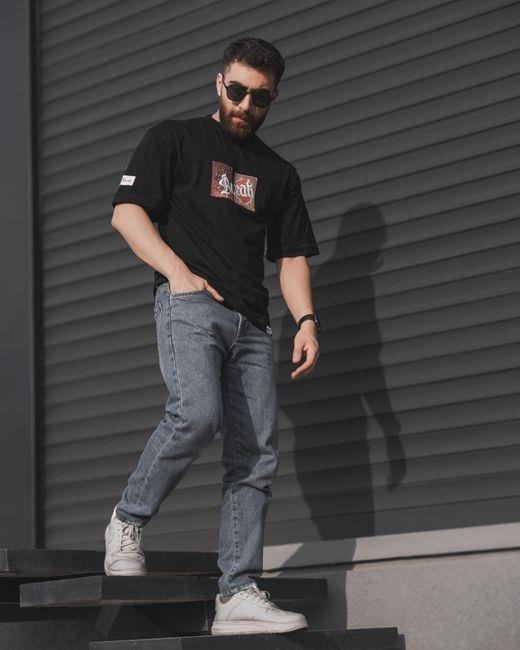
To find the right inseam, start by measuring from the top of the inner thigh to the ankle. Stand straight, keep feet together, and use a flexible tape. Place the tape at the crease where the thigh meets the leg, then run it down to the desired hem—usually just below the ankle for a regular fit or slightly higher for a cropped look. Record the length in inches, rounding up to the nearest quarter inch if the tape lands between marks. Compare this measurement to the brand’s size chart, noting that some manufacturers offer a “long” or “short” option. If you’re unsure, try on a pair of jeans that fit well in other areas; the inseam should feel natural and not drag on the floor or leave a gap at the ankle. While shorter men often benefit from a shorter cut, keep a log of inseam lengths for each brand, as stitching and cut can vary. Always measure twice for accuracy, and consider the style—straight, slim, or relaxed—since the same inseam may look different across cuts. Finally, remember that the inseam is a key component of overall fit, working in tandem with waist, rise, and leg shape to create a balanced silhouette. Good measurement leads to better confidence and fewer returns!!
Remember, the inseam measurement is only one dimension; the rise, waist, and leg shape all interact to create a harmonious fit. When shopping online, always double‑check the brand’s specific measurements and read customer feedback for real‑world sizing insights. A well‑chosen inseam can elevate your style, ensuring comfort and confidence in every stride and today everywhere!
Choosing the Right Rise for Your Height
When selecting a rise, consider your height and torso proportion. A high‑rise sits above the belly, offering coverage and a vintage vibe, while a low‑rise sits just above the hips for a modern silhouette. Mid‑rise balances both. Taller men often find a mid‑rise comfortable, as it keeps the waistband from pulling down the hips and maintains a natural hip‑to‑waist ratio. Shorter men may prefer a low‑rise to avoid a “crushed” look, but a high‑rise can elongate the torso if the waist sits higher. Measure your natural waist to the top of the hip line; the difference in inches indicates the rise needed. For example, a 6’2” frame with a 30‑inch waist and 40‑inch hip may benefit from a 10‑inch rise, whereas a 5’4” frame with the same measurements might opt for 8 inches. Always test by standing and walking; the jeans should sit comfortably without sagging or pulling. Remember that fabric stretch, inseam length, and leg cut also influence how a rise feels. Pairing the right rise with the correct fit style—slim, straight, or relaxed—ensures a balanced, flattering look. Ultimately, the goal is a rise that aligns with your natural proportions, supports posture, and allows freedom of movement without compromising style. Experiment with sample sizes and consult brand charts for precise guidance, and don’t hesitate to adjust the waist with a tailor if the rise feels off. A well‑chosen rise is the foundation of a confident, polished appearance on any occasion. In addition, consider the stretch content of the denim; a higher percentage of elastane can accommodate a slightly lower rise without compromising shape. Some brands offer a “mid‑rise” that sits at the natural waistline, ideal for those who prefer a classic look without the bulk of a high‑rise. When shopping online, always cross‑reference the rise measurement in the product description with your own measurements to avoid surprises. If you’re between sizes, a tailor can adjust the waistband to achieve the perfect rise, ensuring the jeans sit true to your body and maintain a clean line from hip to ankle. Finally, remember that the rise is not just a number; it influences how the jeans drape over the hips and thighs, affecting both comfort and aesthetics. A well‑balanced rise will keep the waistband from digging into the waist, prevent the jeans from sagging, and allow a natural gait. By aligning the rise with your height and body shape, you’ll achieve a silhouette that feels both supportive and stylish, making every step a statement of confidence. Whether you’re heading to a casual outing or a semi‑formal event, the right rise ensures your jeans complement the rest of your outfit, creating a cohesive look that’s appropriate for any setting.
Matching Fabric Weight to Climate
Choosing the right denim weight is essential for comfort and style across seasons. Light‑weight fabrics (around 10–12 oz) breathe well and are ideal for hot, humid climates or summer events; they keep the wearer cool and allow easy movement. Medium‑weight denim (12–14 oz) offers a balance between durability and breathability, making it suitable for transitional weather, office wear, or casual outings. Heavy‑weight denim (14–16 oz and above) provides structure, warmth, and longevity, perfect for cold winters, rugged outdoor activities, or when a rugged aesthetic is desired. In tropical regions, avoid heavy denim that traps heat; instead, opt for 10–12 oz fabrics with a higher elastane content for stretch and moisture‑wicking properties. In temperate zones, a 12–14 oz pair offers versatility, allowing layering with light jackets or sweaters. For colder climates, 15–16 oz denim with a thicker weave and added insulation layers (e.g., brushed interiors) will keep you warm. Consider the weave: a twill weave offers durability and a classic look, while a sateen weave provides a smoother finish and lighter feel. Stretch content also influences performance; 1–3% elastane in lighter fabrics enhances flexibility, whereas heavier denim may incorporate 2–4% for better fit retention. Seasonal changes can be managed by layering: pair a light denim with a lightweight hoodie in summer, or a heavy denim with a thermal undershirt in winter. Always check the fabric composition on the label—cotton‑based blends with polyester or nylon additives improve moisture management and reduce shrinkage. By matching fabric weight to the prevailing climate, you ensure optimal comfort, longevity, and style, making your jeans a reliable wardrobe staple year‑round. Enjoy.
Styling Jeans for Casual vs. Semi-Formal Occasions
When transitioning from a relaxed weekend look to a polished evening, the key lies in layering, color, and accessories; For casual settings, choose a mid‑rise, straight or relaxed cut in a dark indigo or black wash. Pair it with a fitted tee or a lightweight henley, and finish with clean white sneakers or canvas slip‑ons. The denim should be unlined or lightly lined to keep the silhouette relaxed. Add a bomber or denim jacket for extra edge, and keep accessories minimal—a simple watch or leather bracelet.
For semi‑formal events, the denim must be refined. Opt for a slim or tailored cut in a deep, dark wash with minimal distressing. Ensure the fabric is medium weight (12–14 oz) for structure but still comfortable. Pair the jeans with a crisp button‑down shirt, a tailored blazer, and leather loafers or brogues. A subtle belt in matching leather completes the look. Avoid bright colors or heavy logos; the focus should be on clean lines and understated details.
Key transitions include swapping the tee for a polo or dress shirt, replacing sneakers with leather shoes, and adding a blazer or sports coat. A pocket square or subtle cufflinks can elevate the outfit without overdoing it. Remember, the denim’s fit must be snug enough to hold shape but not restrictive; a slight taper at the ankle works well for both styles. By mastering these adjustments, you can confidently move from a casual outing to a semi‑formal gathering without compromising comfort or style.
Add a subtle pocket square or sleek belt to refine the silhouette, ensuring finish smooth.
Proper Care and Maintenance Tips
To preserve denim’s shape and color, wash jeans only when visibly soiled and avoid excessive cycles. Turn them inside out, use cold water, and select a gentle cycle or hand wash. Add a mild detergent and skip bleach or fabric softener. After washing, lay flat to dry or tumble on low heat; high heat shrinks and damages fibers. Avoid ironing directly on the denim; instead, use a steam iron on a low setting or press a cloth between the iron and fabric. Store jeans folded rather than hung to prevent creases. For stains, treat spots with a pre‑wash stain remover before laundering. If you need to refresh faded areas, a quick wash in a small amount of detergent will revive color without over‑washing. Periodically rotate your denim collection to reduce wear on any single pair. Keep pockets clear of heavy objects to maintain shape. Finally, follow the manufacturer’s care label for specific instructions, as some blends may require special handling.
When storing jeans for long periods, avoid direct sunlight that can fade colors. Use breathable garment bags or mesh storage to prevent moisture buildup. Rotate your collection monthly to keep fibers fresh. For high‑stretch denim, wash less frequently—once a month is often sufficient—to preserve elasticity. If you prefer a crisp look, wash in cold water with a mild detergent and skip the dryer; instead, hang to air‑dry. When you do use a dryer, set it to the lowest heat setting and remove jeans promptly to minimize shrinkage. Finally, always read the care label; some premium blends may require hand washing or dry cleaning to maintain their integrity and dry them gently!